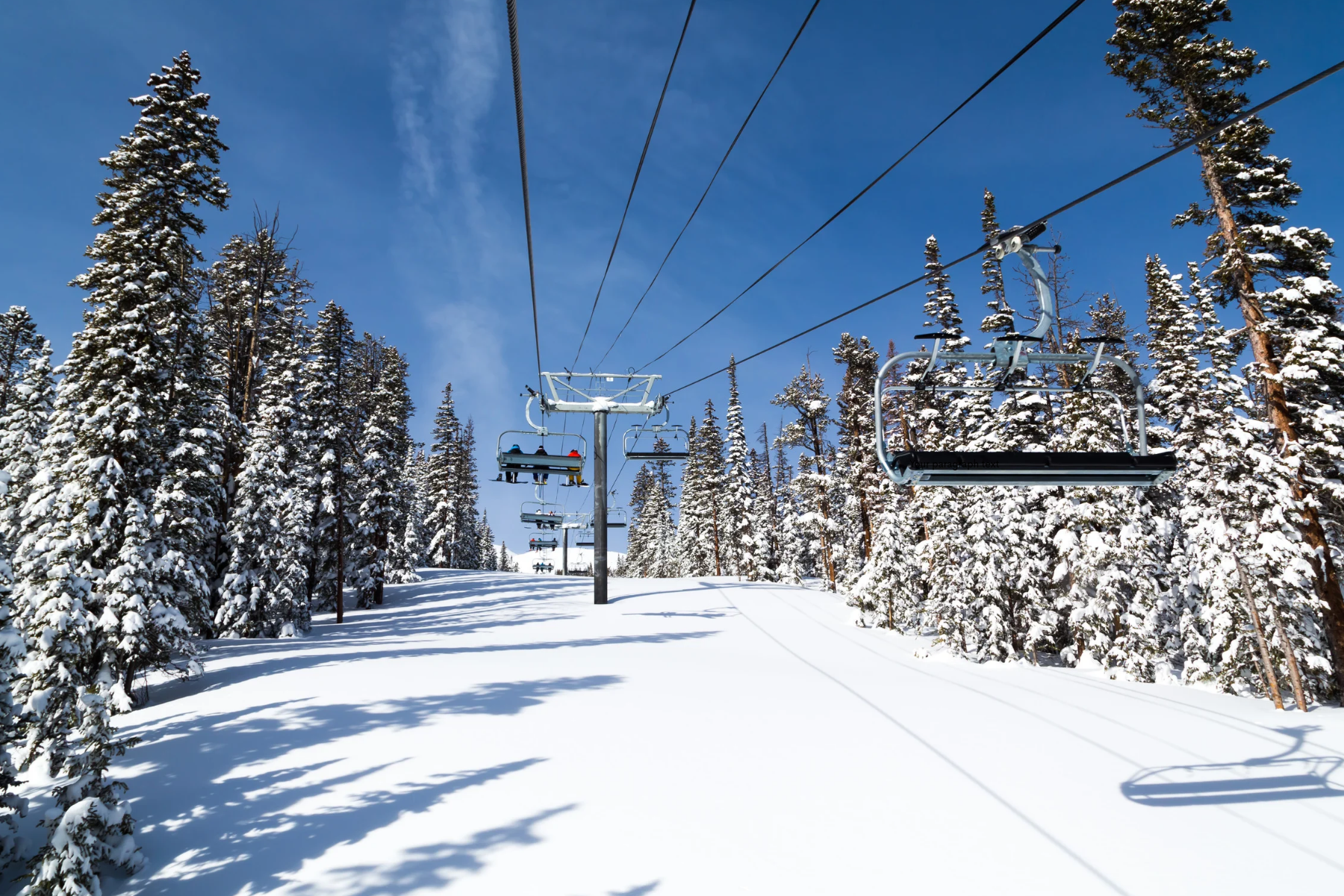
Ski and Snowboard Injury Prevention: Getting Ready for Brian Head Season
Most ski and snowboard injuries don't happen on the first run of the day. They happen late in the afternoon, on legs that were never prepared for the season in the first place. If you live in St. George and head up to Brian Head a handful of times each winter, that's exactly the situation you're in: your body spends most of the year on flat desert trails and pickleball courts, then gets asked to absorb repeated turns on uneven snow. Here's how to get ready, and what physical therapy can do before you ever clip in.
The Most Common Winter Sports Injuries
Knee Injuries (Including ACL and MCL Sprains)
Skiing puts the knee at risk, particularly in twisting falls where the ski stays planted while the body rotates. Weak quads and glutes make it harder for the knee to stay controlled when things go wrong.
Wrist and Shoulder Injuries
Snowboarders fall onto outstretched hands more often than skiers do, which makes the wrist and shoulder common injury sites. Shoulder and upper back strength helps with absorbing and controlling a fall.
Low Back Strain
Staying in a flexed, athletic stance for hours asks a lot of the core and hips. When those muscles tire, the low back picks up the slack.
Why Fatigue Is the Real Risk
Muscles that are fatigued stop protecting the joint around them. That's why so many injuries cluster in the last hours of the day, and why people who ski only a few times a year are at greater risk than those who ski every weekend. Strength built ahead of time gives you a larger buffer before that fatigue sets in.
Three Exercises to Start Now
These are the same single-leg patterns we use with runners and active adults, because the demands on the legs are similar. Start with body weight, move slowly, and stop if you feel sharp joint pain.
1. Wall Sit
Back against a wall with thighs parallel to the floor, as if sitting in an invisible chair. This builds the quad endurance that skiing and snowboarding rely on through long runs.
2. Single-Leg Step-Down
Stand on a step and slowly lower the opposite heel toward the floor, keeping your kneecap tracking over your toes. This trains the controlled knee loading you need when absorbing bumps and landings.
3. Side Plank
Hold a straight line from ankles to shoulders on your forearm. This builds the lateral core and hip strength that keeps your trunk steady through turns.
How Physical Therapy Fits In
A pre-season physical therapy evaluation can find the weak link before the snow does. We look at how you squat, step, and balance on one leg, then identify the specific limits that put your knees, hips, or back at risk, such as a hip that collapses inward or a quad that fatigues early. From there, we build a short, targeted plan to fix them before opening weekend instead of after an injury.
If you're already carrying a nagging knee or back issue from last season, getting it evaluated now is much easier than trying to ski through it.
Common Questions
How early should I start preparing for ski season?
Ideally, four to six weeks before your first day on the mountain. Even if you're closer than that, starting now still helps, particularly with quad and core endurance.
I've had a knee injury before. Is it safe to ski again?
That depends on the injury, how it was treated, and how your knee performs now. A physical therapy evaluation can test your strength and control and help you and your surgeon or physician decide what is reasonable for your situation.
Do I need a referral to see a physical therapist before ski season?
No. Utah allows direct access to physical therapy, so you can schedule an evaluation without seeing a doctor first with most insurance plans.
Heading to Brian Head This Winter?
A pre-season evaluation at Fortify Physical Therapy can show you where your knees, hips, and core need work before you hit the slopes, so your season isn't cut short.
Schedule a Pre-Season EvaluationQuestions about getting ready? Call us at (435) 216-7929 or visit fortifyphysicaltherapy.com to schedule.
