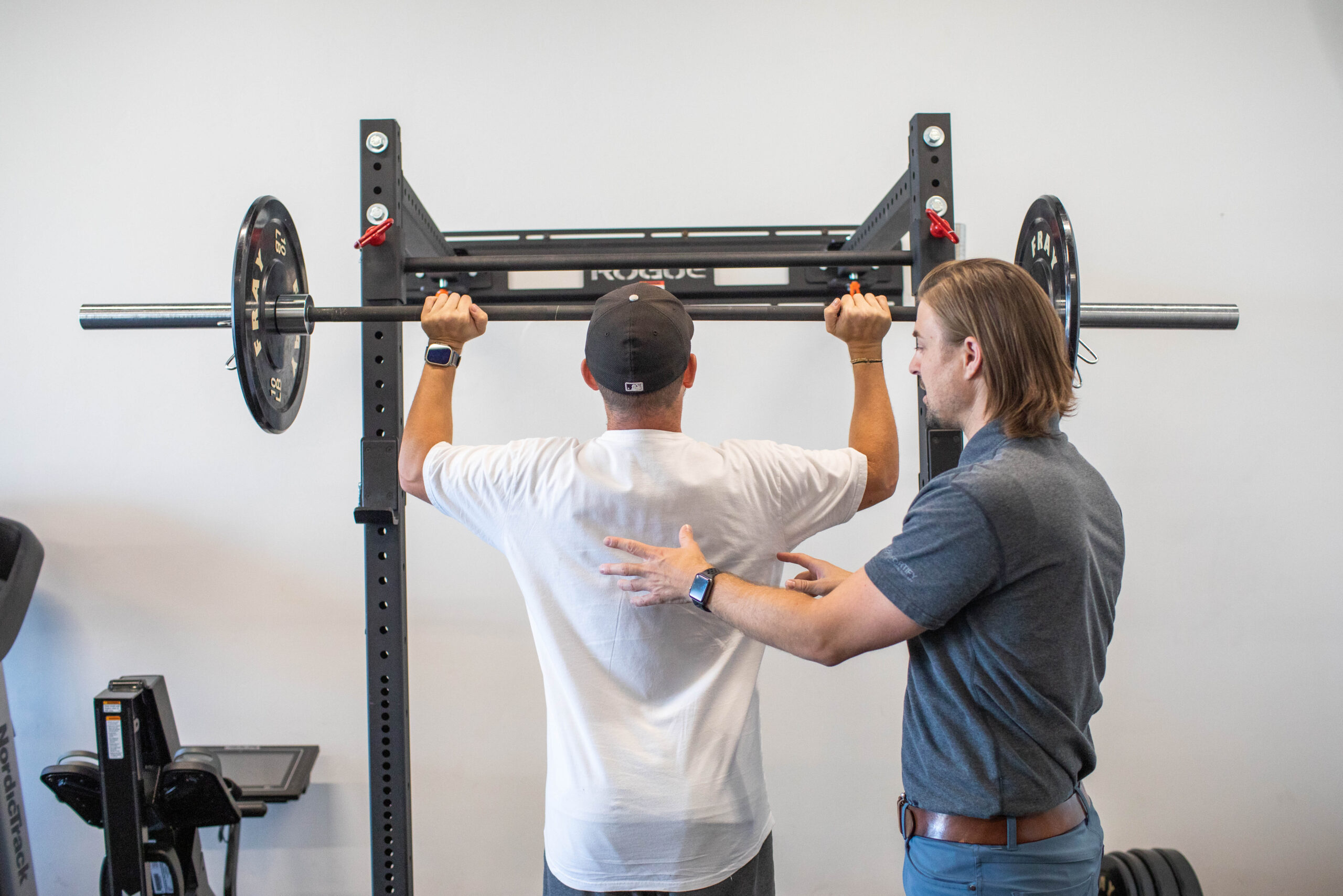
Chronic Back Pain Is Common. Living With It Doesn't Have to Be.
How physical therapy, including dry needling, the Neubie device, and hands-on manual care, can break the cycle of chronic low back pain for good.
Low back pain is the leading cause of disability worldwide — and the southern Utah region is no exception. Whether you're a retired hiker in Ivins, a desk worker in Washington, or an athlete in St. George, chronic back pain has a way of quietly shrinking your world. Activities you used to take for granted become negotiation: can I make it through this hike? Will I be able to sit through that game? How bad will it be tomorrow?
The frustrating part is that most people with chronic low back pain have already tried something — rest, ibuprofen, maybe a chiropractor — without lasting relief. What they often haven't tried is a structured, individualized physical therapy program that addresses the actual source of the problem rather than just the symptoms.
At Fortify Physical Therapy in St. George, that's exactly what we do.
Understanding Chronic Back Pain
Back pain becomes "chronic" when it persists beyond 12 weeks. At that point, the original injury (if there was one) may have healed — but the nervous system has learned to stay in a heightened pain state. This is one of the most important and underappreciated aspects of chronic pain: it's not always about tissue damage. It's often about how the brain and nervous system have been sensitized.
Common causes and contributors to chronic low back pain include:
- Muscle imbalances and weakness — particularly weak glutes and core muscles that fail to support the lumbar spine
- Disc pathology — bulges, herniations, or degeneration at lumbar levels (most commonly L4-L5 and L5-S1)
- Facet joint irritation — compression and inflammation in the small joints of the spine
- Myofascial trigger points — tight, hypersensitive bands of muscle that refer pain into the low back, hips, and legs
- Poor movement patterns — compensations developed over time that place repeated stress on vulnerable structures
- Central sensitization — an amplified nervous system response that makes normal movement feel painful
Many patients arrive at our clinic with an MRI showing disc bulges or degenerative changes and assume their pain is unfixable. Research consistently shows that imaging findings do not reliably predict pain levels. Plenty of people with "normal" MRIs have debilitating pain; others with significant structural findings have none. What matters most is how your spine moves, how your nervous system responds, and how well your supporting muscles function — and all of those things are changeable.
Common Myths That Keep People Stuck
Misinformation about back pain is widespread — and some of it comes from well-meaning doctors, family members, and even outdated physical therapy approaches. Here are the most common beliefs we challenge at Fortify PT.
How Physical Therapy Actually Helps
Physical therapy for chronic low back pain works on multiple levels simultaneously. It's not just exercises, it's a systematic process of identifying what's driving your pain, correcting the underlying dysfunction, restoring normal movement patterns, and building the resilience to stay pain-free long term.
Research comparing outcomes for chronic low back pain consistently shows that physical therapy is as effective as surgery for most non-emergency spinal conditions, and significantly more effective than medication alone, with none of the associated risks or recovery time.
A comprehensive PT program for back pain typically addresses:
- Pain modulation — reducing the nervous system's heightened sensitivity so movement becomes possible
- Mobility restoration — recovering normal range of motion in the lumbar spine, hips, and thoracic spine
- Neuromuscular re-education — retraining the muscles that support the spine to activate correctly and at the right time
- Strength building — progressive loading of the structures that protect the spine
- Movement pattern correction — addressing the compensations that are placing excess stress on vulnerable areas
- Education and self-management — giving you the tools to manage flare-ups and maintain your gains independently
The goal of physical therapy is not to make you dependent on appointments forever. It's to give you back ownership of your body. Our most successful patients leave our clinic with a clear understanding of what caused their pain, what to do when it flares, and how to stay ahead of it. That's a fundamentally different outcome than pain management.
Our Approach: Dry Needling, the Neubie Device & Manual Therapy
At Fortify Physical Therapy, we combine evidence-based treatment modalities to create a plan tailored specifically to you. For chronic low back pain, three tools in particular set our care apart.
Dry Needling
Dry needling uses thin monofilament needles to target myofascial trigger points — those tight, hypersensitive knots in muscle tissue that are a major but often overlooked contributor to chronic low back pain. When a needle is inserted into a trigger point, it produces a local twitch response that releases the tension and disrupts the pain-spasm-pain cycle that keeps many patients stuck.
Treatment Modality 02
The Neubie Device
The Neubie (Neuro-Bio-Electric Stimulator) is one of the most advanced neuromuscular rehabilitation tools available in physical therapy today — and Fortify PT is one of the few clinics in the St. George area equipped with it. Unlike traditional electrical stimulation devices that work primarily on surface-level muscle contraction, the Neubie uses a patented direct current waveform to communicate directly with the nervous system.
Treatment Modality 03
Manual Physical Therapy
Manual therapy refers to skilled, hands-on techniques applied directly to the spine, pelvis, and surrounding soft tissue. At Fortify PT, our manual therapist brings advanced training in spinal mobilization, manipulation, joint distraction, and soft tissue work that goes well beyond standard physical therapy care.
These three modalities work best in combination. Dry needling releases the muscular tension and trigger points that are driving pain. The Neubie retrains the nervous system and identifies hidden dysfunction. Manual therapy restores joint mobility and provides neurological pain relief. And therapeutic exercise builds the strength and movement patterns to make those gains permanent.
When to Seek Help
A good rule of thumb: if back pain has persisted for more than two weeks, or if it's affecting your sleep, your work, or your ability to do the activities you enjoy, it's time to get a professional evaluation. You don't need to wait until you're in crisis, and you don't need a referral from your doctor in most cases, Utah's direct access law means you can come directly to us.
Most back pain, even longstanding, severe chronic pain, responds well to conservative physical therapy when the right approach is applied. The longer pain has been present, the longer recovery typically takes, but it is almost never too late to make meaningful progress.
If you're in St. George, Washington, Santa Clara, Ivins, or the surrounding southern Utah area, we'd love to help you find out what's actually driving your pain, and build a plan to address it.
You Don't Have to Keep Living With It
Schedule a free consultation with our team at Fortify Physical Therapy in St. George. No referral needed for most insurances, Utah law gives you direct access to PT care.
Book a Free Consultation →